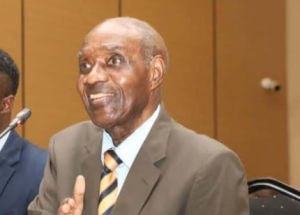

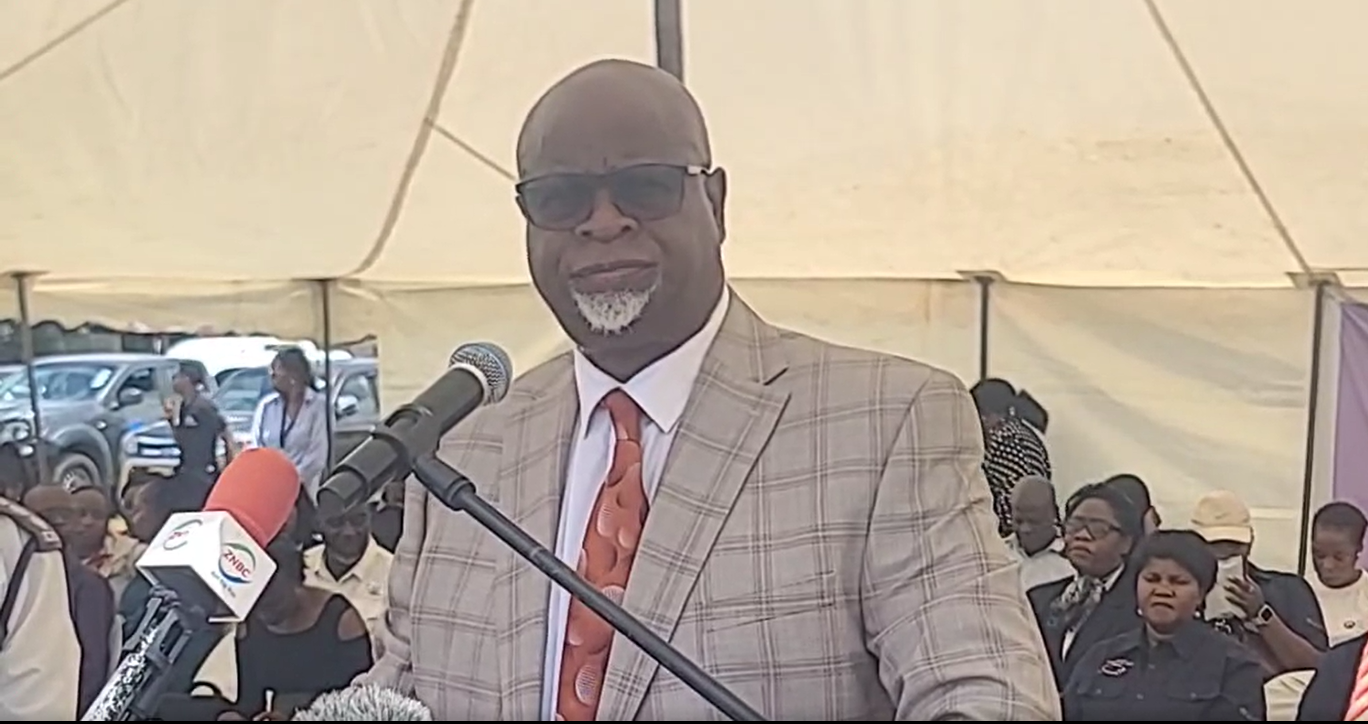
Minister of Health, Elijah Muchima, has revealed that Zambia records more than 15,000 new cancer cases every year, with approximately 9,000 people dying annually from the disease, despite most cancers being preventable and treatable if detected early.
Speaking during the commemorations of World Cancer Day in Lusaka today, Dr Muchima said statistics show that about 60 percent of cancer patients diagnosed in the country do not survive, largely due to late detection and limited access to timely treatment.
ZANIS reports that Dr Muchima noted that prostate cancer remains the leading cancer in Zambia, accounting for over 1,600 new cases annually.
He further highlighted that breast cancer continues to pose a serious health concern, affecting more than 1,100 women annually, while childhood cancer, largely curable, still remains a challenge due to late presentation to health facilities, especially in rural areas.
“Our goal is to ensure a patient in rural areas receives the same high standard of care as in urban areas,” he stated.
The Minister also explained the progress of the Ndola Cancer Centre, noting that the facility is a cornerstone of decentralisation policy designed to serve the Northern part of Zambia.
He has further emphasised the need to strengthen public awareness, early screening, and timely referral systems, adding that the government is committed to scaling up cancer prevention and treatment services across the country.
Dr Muchima has since urged citizens to seek medical attention early and participate in routine cancer screenings, stating that early detection significantly improves survival rates and quality of life.
Lusaka Deputy Permanent Secretary Alex Mapushi, says World Cancer Day is a day of reflection, solidarity, and action.
“Your participation strengthens our collective voice and reinforces the national response to cancer prevention,” he said.
And, Member of Parliament for Munali Constituency, Mike Mposha, said exposure to harmful chemicals, poor waste management, air pollution, and water contamination all contribute to rising health risks, including cancer.
Mr Mposha further encouraged members of the public to ensure that they visit centers that have been provided by the Ministry of Health for early screening.
“Expansion of cancer screening services is a major milestone, and I urge all women, girls, and men to take advantage of these free services,” he said.