
Ministry of Information and Media Permanent Secretary, Thabo Kawana, says the increased and stable power supply the country is currently experiencing is a result of government interventions put in place to address the power deficit.
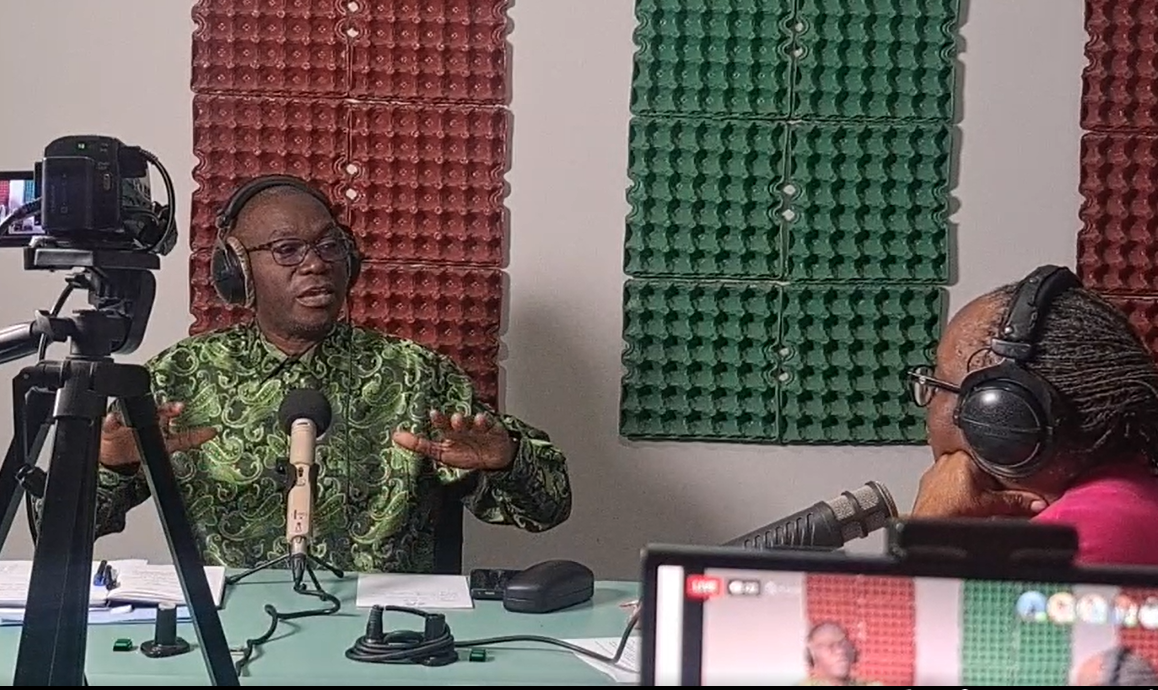
Speaking when he featured as a guest on Millennium Radio programme dubbed ‘The Interview’, Mr Kawana stated that the various measures that the government has been implementing have contributed to the stable supply of power.
He said President Hakainde Hichilema is on record assuring the nation during a media engagement last year that the measures which were being taken by the government to address the power crisis would come to fruition in December 2025 and beyond.
“Earlier last year, during a press briefing on the country’s energy crisis, the President made it very clear that the measures being put in place would begin to materialise and yield results in 2026. By the time we reach December 2025, we expect to see an improvement in power supply,” he said.
The Information and Media Permanent Secretary cited the introduction of open access as one of the interventions that have helped in stabilising power in the country.
Mr Kawana said during the radio programme that the introduction of open access has enabled independent power producers to participate in both the import and export of electricity.
“Among the measures we put in place is open access, which meant that independent power producers also come on board to participate, not just ZESCO; they too can sell and export.
So what is happening now is that independent producers are part of those importing and exporting power,” he explained.
He further revealed that the mines are currently not entirely dependent on ZESCO for power, as they also purchase from independent power producers.
He added that the development has resulted in some power being freed from ZESCO, hence the power stability in the country.
Mr Kawana further noted that President Hichilema has demonstrated strong leadership by promoting alternative sources of power such as solar and wind.
He cited Chisamba, Kitwe and Chipata as some of the districts where solar plants have been set up with a view to address the power deficit in the country.
Mr Kawana has since expressed optimism that Zambia will soon move from being an importer to a net exporter of power in the region.
He said the alternative sources of energy being put around the country are yielding results, as evidenced by the stable supply of power being enjoyed currently.
Mr Kawana has meanwhile disclosed that Maamba Energy under phase two is expected to add 300 megawatts of thermal power and 100 megawatts of solar power, a development which will further improve electricity supply in the country.
Commenting on the cost of power, Mr Kawana explained that during the erratic supply of electricity, ZESCO applied to the Energy Regulation Board (ERB) for an emergency power tariff, which was going to give citizens access to more power, though at a slightly higher cost.
He pointed out that ZESCO introduced two bands, which meant that the more people use power, the more one would pay.
Mr Kawana highlighted that residential and industrial players have their own tariff ZESCO plan.
He has since encouraged the public to use power cautiously, noting that households pay less when they consume less electricity.