

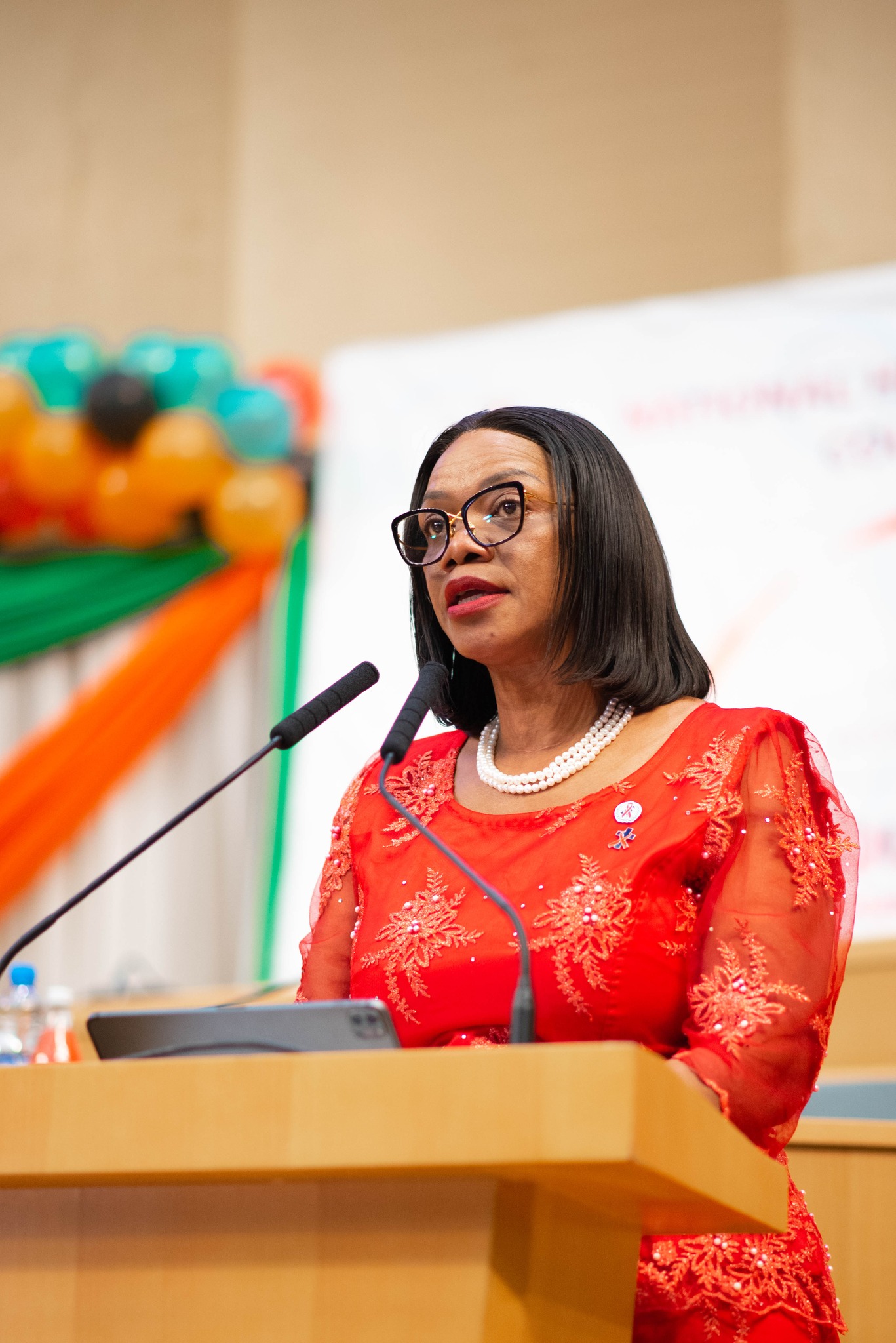
Government says it is committed to working with traditional leaders in strengthening legal frameworks to address inadequacies surrounding land administration.
Minister of Lands and Natural Resources Sylvia Masebo says the government is aware of the challenges that have arisen due to the increased demand for land.
ZANIS reports that Ms Masebo revealed that her ministry, with technical support from the European Union (EU) land governance project, is in the process of reviewing the Land Act CAP 184 of 1995 to resolve procedural inefficiencies.
The minister said this in a speech read for her by her Permanent Secretary Patrick Mucheleka during the Land Act review meeting with traditional leaders held in Kasama district.
“You have been invited to this important meeting as valued stakeholders in land administration, representing an even larger population of your subjects,” Ms Masebo said.
She explained that her ministry has so far consulted traditional leaders from seven provinces, with Northern Province being the eighth one.
She added that the ministry has conducted several other consultative engagements with stakeholders who include civil society, academia and the private sector.
Speaking earlier, Northern Province Deputy Permanent Secretary Beauty Undi-Phiri echoed the government’s resolve to partner with traditional leaders in ensuring efficiency in land governance.
Ms Undi-Phiri also appealed to the Ministry of Lands and Natural Resources to help resolve land wrangles in some chiefdoms.
“The challenges are massive. I am glad today that the Royal Highnesses are here so that they voice out their concerns on land,” she said.
And Senior Chief Nsokolo of the Mambwe people of Senga Hill District thanked government for making the land act review process consultative.
Senior Chief Nsokolo said traditional leaders in the province have unanimously agreed that chiefs should continue to govern land, as it is their royal heritage.
“We also feel that the 99-year tenure is too much, especially for foreigners, and we have since agreed to have it reduced,” he said.
He added that traditional leaders have agreed to be cautious when selling land to avoid denying future generations the right to own land.